Use Memory and Observation to Read the Game’s Rhythm—Without Counting Cards

Use Memory and Observation to Read the Game’s Rhythm—Without Counting Cards
When people talk about strategy in card games like blackjack or baccarat, the conversation often turns to card counting. But real success at the table rarely depends on tracking every single card. It’s much more about understanding the rhythm of the game—using memory and observation to sense patterns, tempo, and mood. You don’t need complex math; you need awareness and the ability to notice what others overlook.
The Game’s Rhythm—More Than Just Luck
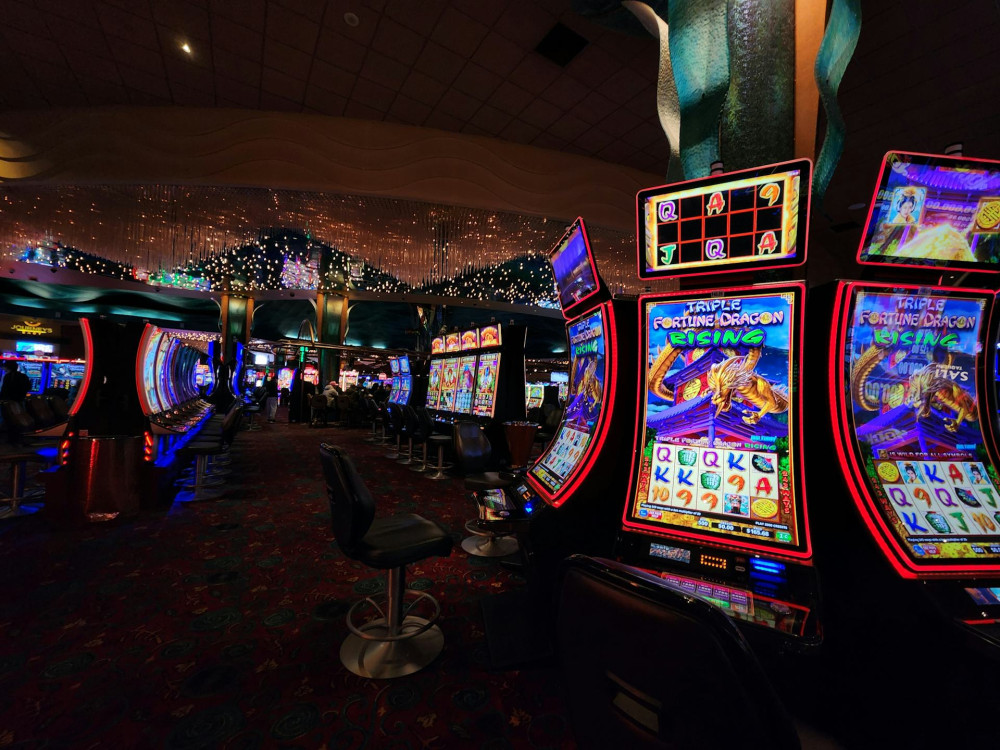
Every game has its own rhythm. You can feel it in a live casino on the Las Vegas Strip or in an online game played from your living room. The rhythm emerges from the interaction between players, the dealer, and the decisions made along the way. Some rounds move fast, others slow down. Some players bet boldly, others play it safe. All of this shapes the flow—and your opportunities.
Reading the rhythm means recognizing when the game is moving in your favor and when it’s time to step back. It’s a kind of intuitive timing that experienced players develop over time. They can sense when the table’s “energy” shifts and adjust their play accordingly.
Memory: Your Most Reliable Tool
Even if you’re not counting cards, your memory can still work for you. It’s not about remembering every card that’s been played, but about noticing trends. Has the dealer been drawing a lot of high cards lately? Have you seen a streak of small wins? These impressions can help you sense how the game is flowing.
A good exercise is to mentally note small details: the pace of the game, the dealer’s habits, and how other players react. Over time, this becomes second nature—a kind of “muscle memory” for the game’s flow.
Læs også:
Observation: The Art of Seeing Without Staring
Observation isn’t about staring down the table—it’s about being aware without losing focus. Many players get so caught up in their own hands that they miss what’s happening around them. Yet the most useful information often lies in what you don’t directly control.
Watch how the dealer handles the cards, how the tempo changes, and how the mood at the table shifts. In online games, you can observe patterns in outcomes, the speed of play, or pauses in the system. These subtle signals can help you decide when to bet—and when to wait.
Read the Mood—Not Just the Numbers
Seasoned players often talk about the “table mood.” It might sound superstitious, but there’s real psychology behind it. When several players win in a row, the energy rises and people become more daring. When losses pile up, the atmosphere tightens and players grow cautious. If you can read these shifts, you can use them to your advantage.
Reading the mood doesn’t mean getting swept up in it—it means understanding how it affects decisions, both yours and others’. That awareness helps you stay calm when others lose their balance.
Train Your Intuition
Intuition isn’t magic—it’s the product of experience and observation. The more you play, the better you become at recognizing patterns and reacting quickly. You can train your intuition by reviewing past games in your mind: What did you notice? When did you make good decisions? When did emotions take over?
Reflecting on your experiences builds an inner sense of the game’s rhythm. It makes you more adaptable and less dependent on rigid systems.
Play With Awareness—Not on Autopilot
Using memory and observation also means being present. Many players fall into the trap of playing on autopilot—especially online, where the pace is fast. But the more conscious you are of your choices, the better you can adapt to the game’s flow.
Take breaks when your focus fades. Trust your instincts, but let them be guided by what you’ve actually observed. That’s where strategy and intuition meet.
A Smarter Way to Play
Reading the game’s rhythm without counting cards is ultimately about playing with your mind—not just your hand. You learn to use your senses, your memory, and your ability to read situations. It makes the game more engaging and more controlled.
Once you start seeing the patterns, you realize the game isn’t just about luck—it’s about timing, awareness, and composure. And that’s exactly where the best decisions are made.
Læs også: