Plan Your Roulette Sessions for Better Focus and Discipline

Plan Your Roulette Sessions for Better Focus and Discipline
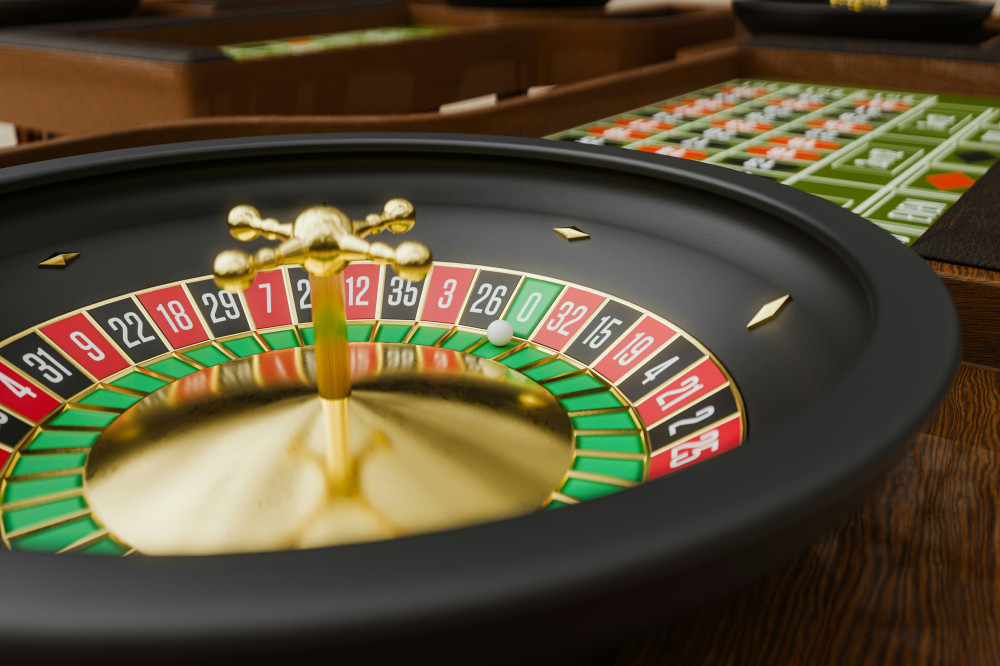
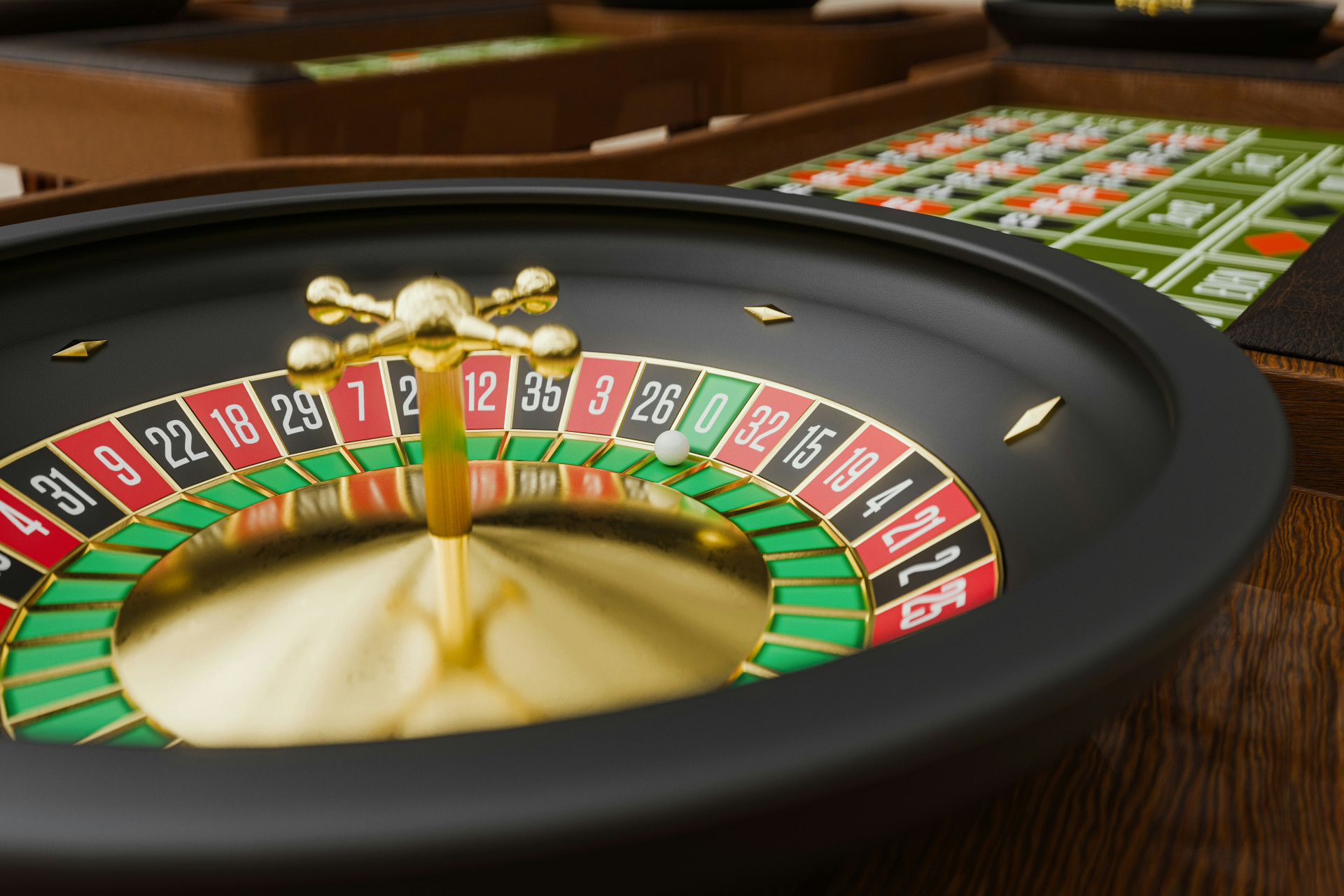
Roulette is one of the most iconic casino games—simple to learn, yet endlessly fascinating. For many players, it’s not just about luck but also about structure, strategy, and self-control. One of the best ways to enhance your experience and avoid impulsive decisions is to plan your roulette sessions. With a clear plan, you’ll gain better focus, stronger discipline, and a more mindful approach to the game.
Why Planning Makes a Difference
Roulette can get intense fast. When the wheel spins and the adrenaline kicks in, it’s easy to lose track of time or chase losses. Without a plan, you might end up playing longer than intended or betting more than you can afford. Planning isn’t about taking the fun out of the game—it’s about creating boundaries that make the experience more enjoyable and controlled.
By setting time limits, budgets, and goals for each session, you can stay in control and avoid the common pitfalls that many players face when emotions take over.
Set a Clear Budget—and Stick to It
The first step in any well-planned session is to decide on a budget. Determine in advance how much you’re willing to spend and treat it as entertainment money, not an investment.
A few helpful tips:
- Set a session budget that you can comfortably afford to lose.
- Divide your bankroll into smaller portions so you don’t spend it all in a few spins.
- Stop when your budget is gone, even if you feel like your luck is about to turn.
Sticking to your budget takes discipline, but that discipline is what separates a mindful player from an impulsive one.
Manage Your Time: Play in Sessions and Take Breaks
Just like any activity that requires focus, time management is key. Roulette can be fast-paced, and without breaks, it’s easy to lose perspective.
- Decide how long each session will last—for example, 30 or 60 minutes.
- Take short breaks to assess how things are going and whether you’re still following your plan.
- End the session when time is up, regardless of whether you’re ahead or behind.
By structuring your time, you avoid getting caught in a cycle of emotional or rushed decisions.
Define Your Goals Before You Play
Before you sit down at the table, think about what you want from the session. Are you playing to learn more about strategies, to enjoy the atmosphere, or to test a specific approach?
Having a clear purpose helps you recognize when you’ve achieved your goal—and when it’s time to stop. It also helps you avoid chasing losses, one of the most common mistakes among players.
Use a Strategy—but Stay Realistic
There are many roulette strategies out there, such as Martingale, Fibonacci, or D’Alembert. These can help you structure your bets, but no system can change the game’s fundamental odds.
Use strategies as tools for rhythm and discipline, not as guarantees of success. The key is to understand how your chosen method works and to stick with it rather than switching tactics mid-game.
Læs også:


Review Your Sessions
After each session, take a few minutes to reflect. How did it go? Did you stick to your budget and time plan? Which decisions felt right, and which didn’t?
Keeping a simple log of your sessions can give you valuable insight into your playing habits. Over time, this helps you adjust your approach and become more aware of how you respond in different situations.
Play Responsibly—and Remember the Purpose
Roulette should always be about entertainment, not profit. When you plan your sessions, you’re ultimately creating a healthy balance between excitement and control. That balance not only improves your gaming experience but also gives you peace of mind, knowing you’re playing on your own terms.
Planning isn’t about limiting yourself—it’s about taking charge. And that sense of control is the key to keeping roulette fun and sustainable in the long run.
Læs også: