From Physical to Digital: How Online Slot Machines Have Changed the Way We Play

From Physical to Digital: How Online Slot Machines Have Changed the Way We Play
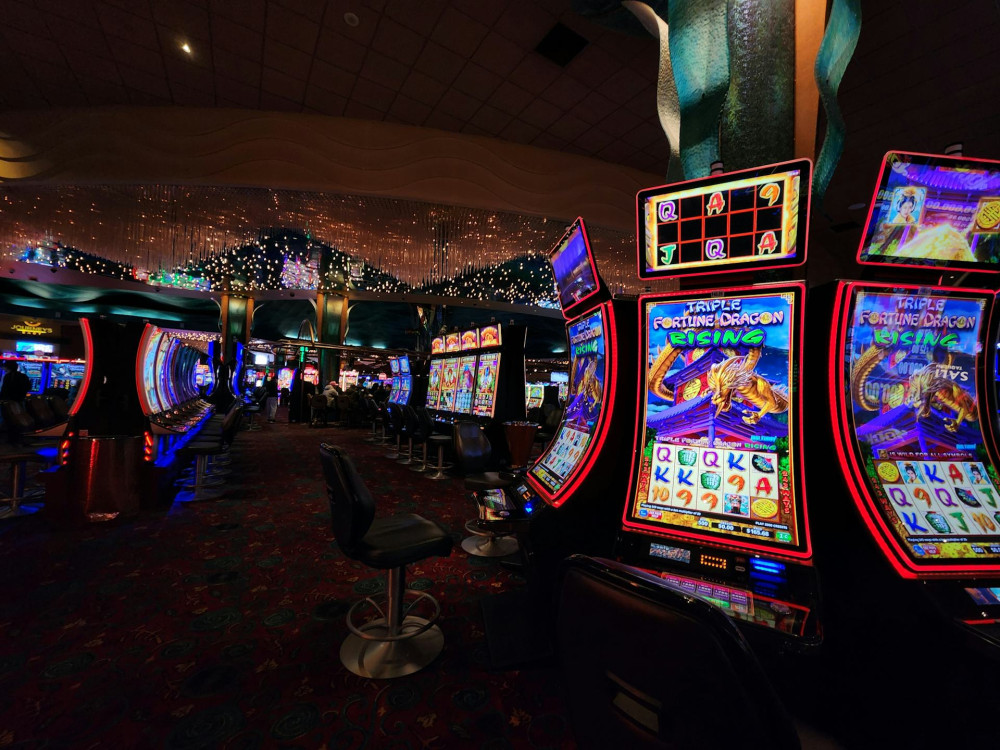
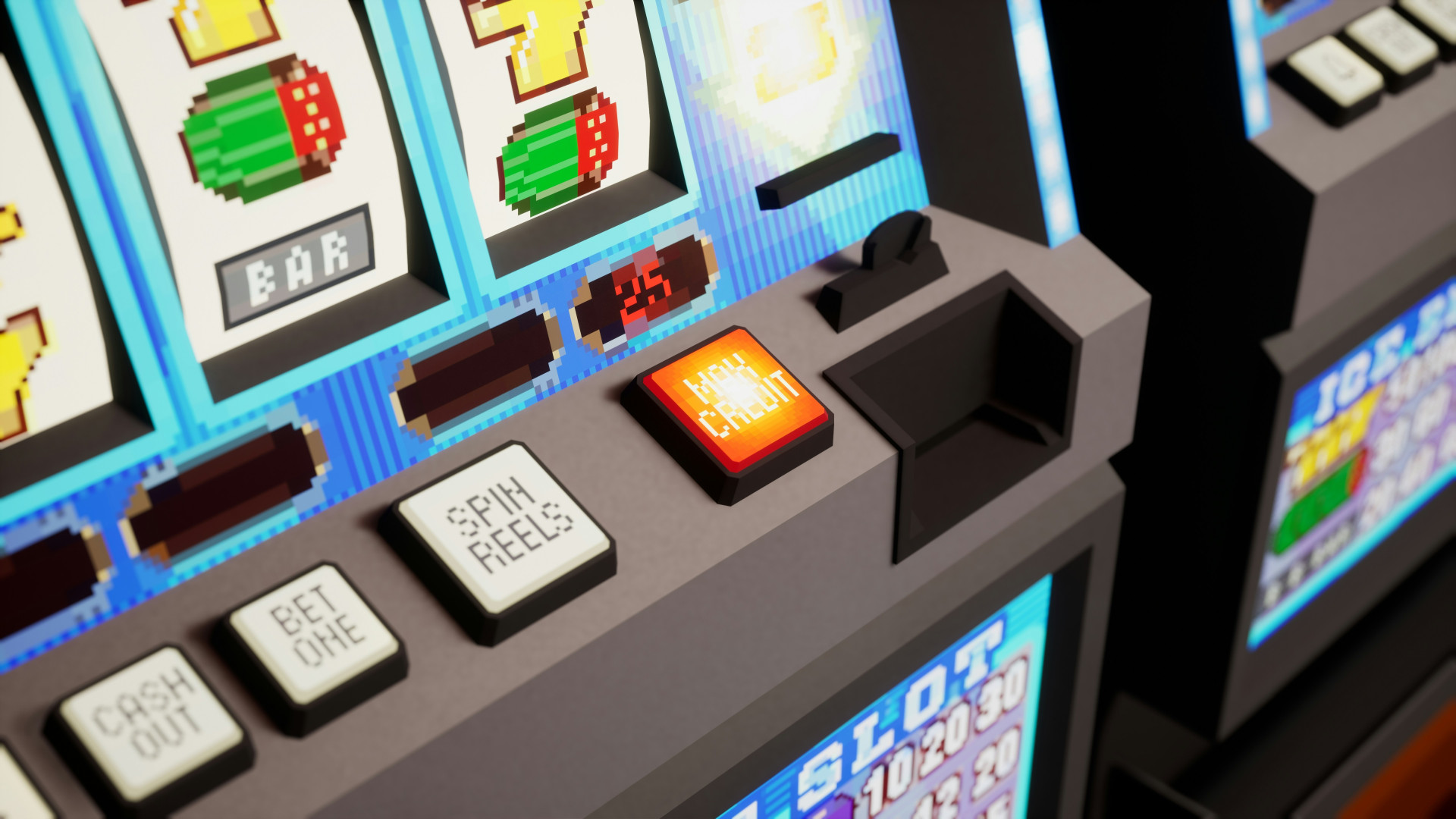
From the clinking of coins and flashing lights on casino floors to colorful screens and digital jackpots on our phones, slot machines have undergone a dramatic transformation. The shift from physical to digital hasn’t just changed where we play—it’s changed how we experience the game, interact with it, and understand its appeal. Today, online slot machines are among the most popular forms of digital gaming, and their evolution continues to shape how Americans play.
From Mechanical Reels to Algorithms and Animation
The first slot machines appeared in the late 19th century—mechanical marvels powered by springs, gears, and spinning reels. By the 1960s and 70s, they had become electromechanical, and by the 1990s, digital versions began to dominate casino floors. But it was the rise of the internet that truly revolutionized the slot experience.
Online slots removed the physical limitations of traditional machines. Instead of being tied to a specific location, players could now access hundreds of games directly from their computers—and later, from their smartphones. This opened the door for game developers to experiment with themes, graphics, and bonus features in ways that physical machines never could.
A More Personalized Experience
One of the biggest differences between physical and online slot machines is the level of personalization. Today, players can choose from thousands of themes—from classic fruit symbols to fantasy adventures, movies, and mythology. Music, animations, and interactive bonus rounds make the experience more immersive and engaging.
Technology has also made it possible to tailor the experience to individual preferences. Online platforms use data to recommend games that match a player’s interests, and many offer loyalty programs and rewards that keep players coming back. The result is a more personal, accessible, and ever-present form of entertainment.
The Smartphone: A Casino in Your Pocket
The smartphone has been the driving force behind the latest wave of change. Today, most online gaming activity in the U.S. happens on mobile devices, and slot machines are no exception. With just a few taps, players can spin the reels whether they’re on the couch, commuting, or taking a break at work.
This convenience has made gaming more spontaneous and integrated into daily life. Where once you had to visit a casino, now the game is always within reach. That accessibility brings both benefits and challenges: greater entertainment and flexibility on one hand, and a growing need for awareness around responsible gaming on the other.
New Social Dimensions
While online slot machines are often a solitary experience, digital platforms have added social layers. Many games now feature tournaments, leaderboards, and chat functions where players can share results and experiences. Social media and streaming platforms have also made it popular to watch others play—creating a sense of community that traditional slot machines rarely offered.
Responsible Gaming in the Digital Age
With increased accessibility comes greater responsibility. Online gaming operators in the U.S. are placing more emphasis on promoting responsible play through tools like deposit limits, time reminders, and self-exclusion options. Meanwhile, state regulators and advocacy organizations are working to ensure that players have access to information and support if gambling becomes problematic.
For many Americans, online slots are a form of entertainment comparable to movies or music—but with money on the line, awareness and self-control are more important than ever.
The Future: Virtual Reality and Gamification
The evolution of slot machines is far from over. Emerging technologies like virtual reality (VR) and augmented reality (AR) are beginning to enter the gaming world. Imagine stepping into a virtual casino where you can walk among machines, interact with other players, and experience the game in 3D. At the same time, elements borrowed from video games—such as missions, achievements, and rewards—are increasingly being integrated into slot design, making the experience more interactive and game-like.
Læs også:



A New Way to Play
The transition from physical to digital has made slot machines more accessible, diverse, and technologically advanced than ever before. But it has also changed our relationship with gaming—from an occasional activity in a casino to a digital experience that can happen anywhere, anytime.
Today, how we play is as much about technology and design as it is about luck. And as the line between gaming and entertainment continues to blur, one thing is clear: online slot machines haven’t just changed the game—they’ve changed the way we play.
Læs også: