The Zero Pocket in Roulette: The Small Detail with a Big Impact on Odds and Game Balance

The Zero Pocket in Roulette: The Small Detail with a Big Impact on Odds and Game Balance
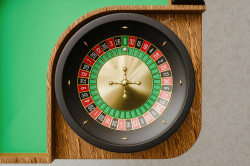
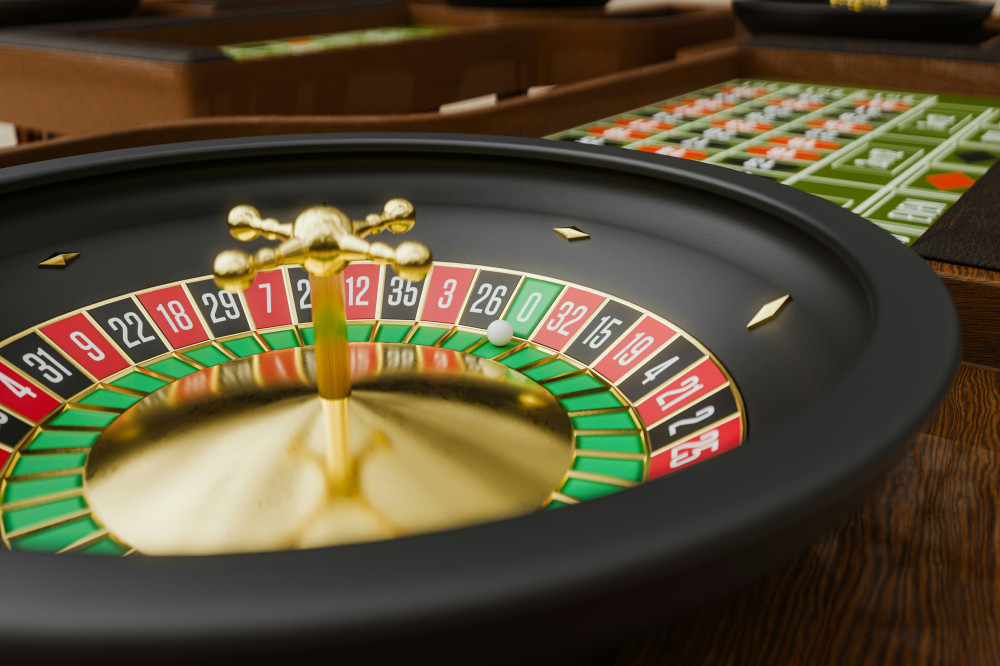
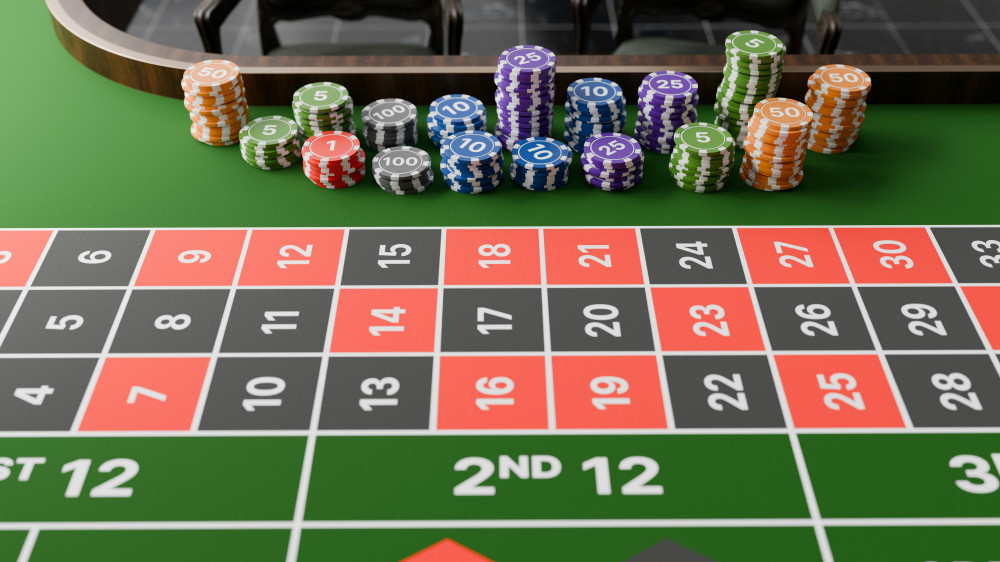
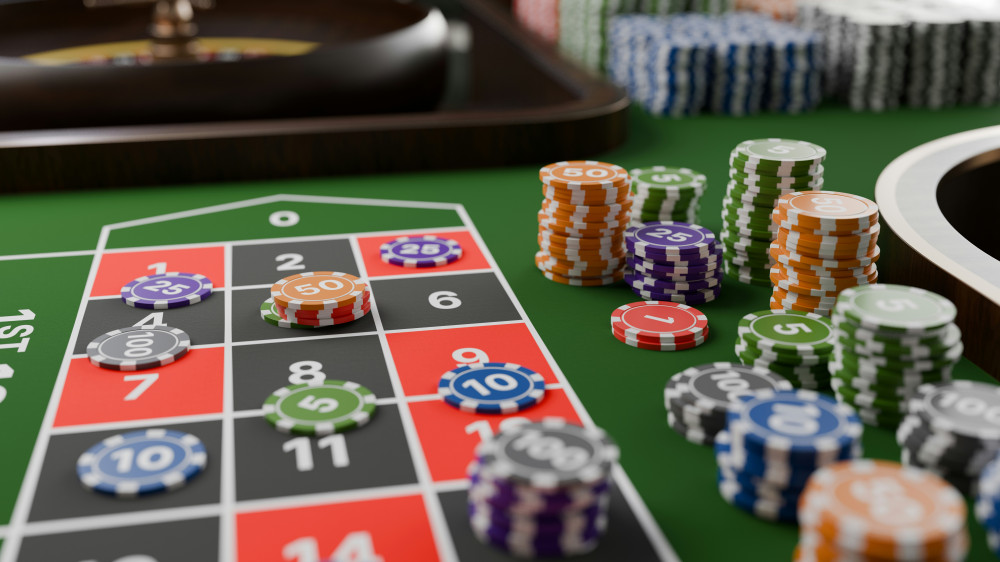
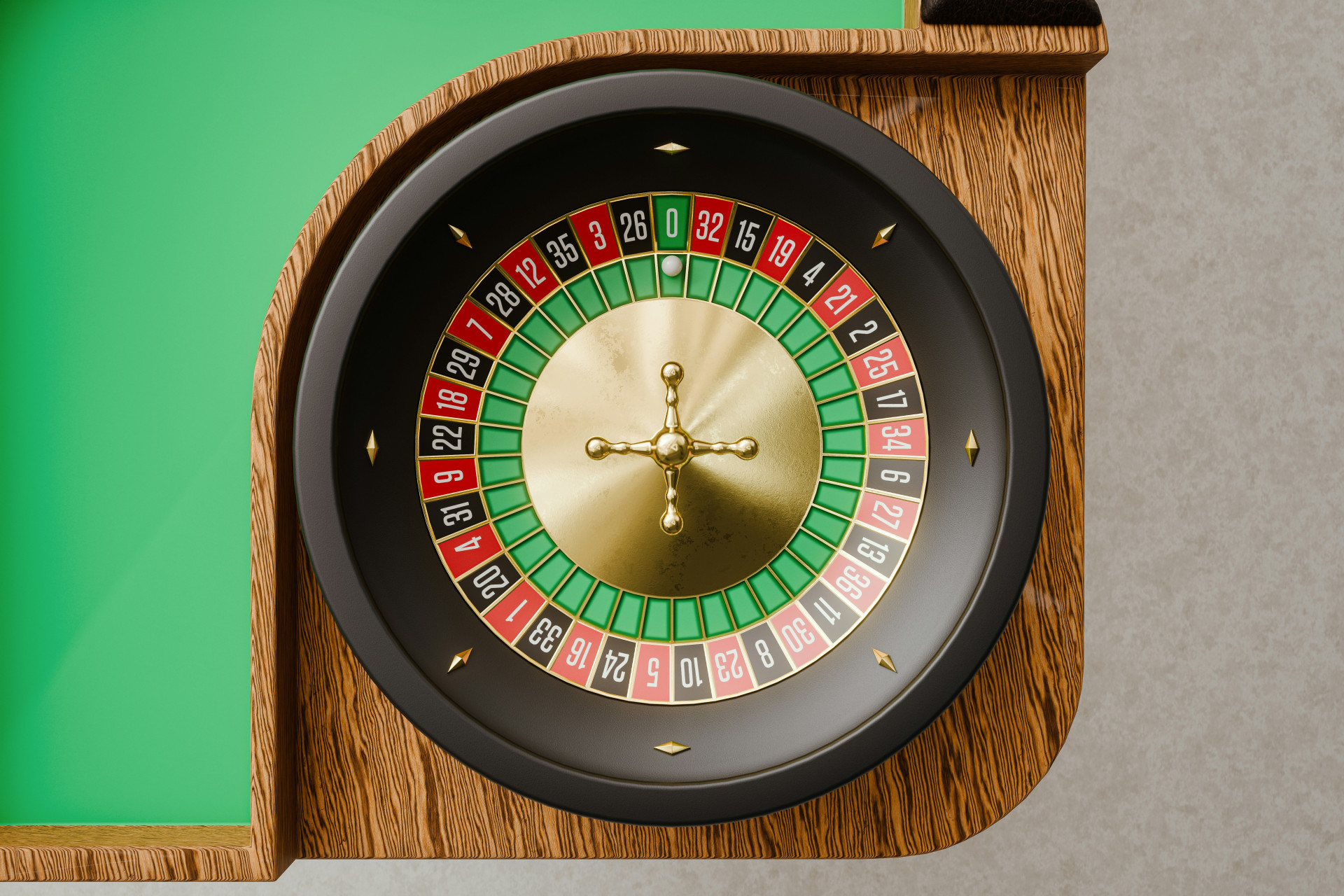
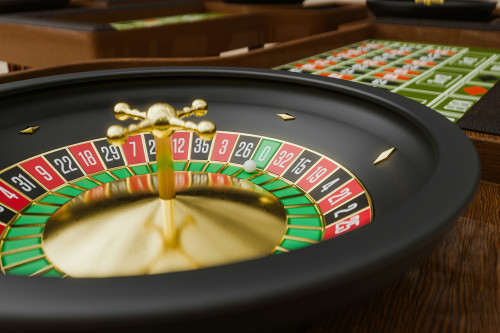
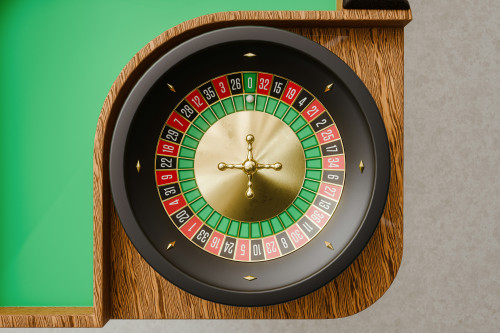
When the roulette wheel spins and the ball dances around the rim, all eyes are on the red and black numbers. Yet, tucked away in green lies the most important pocket of all: zero. It may look like a small design choice, but that single green pocket is what gives the casino its edge and keeps the game mathematically sustainable. Whether you’re playing in Las Vegas, Atlantic City, or online, the zero pocket is the subtle twist that shapes the odds, the strategy, and the entire balance of roulette.
Why the Zero Exists
Roulette originated in 18th-century France as a blend of chance and mechanical curiosity. Early versions of the game had no zero, which meant that the odds were perfectly even between the player and the house. That might sound fair, but it also meant casinos couldn’t make a profit in the long run. The introduction of the zero pocket changed that.
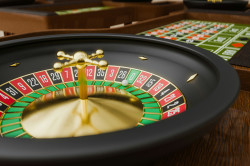
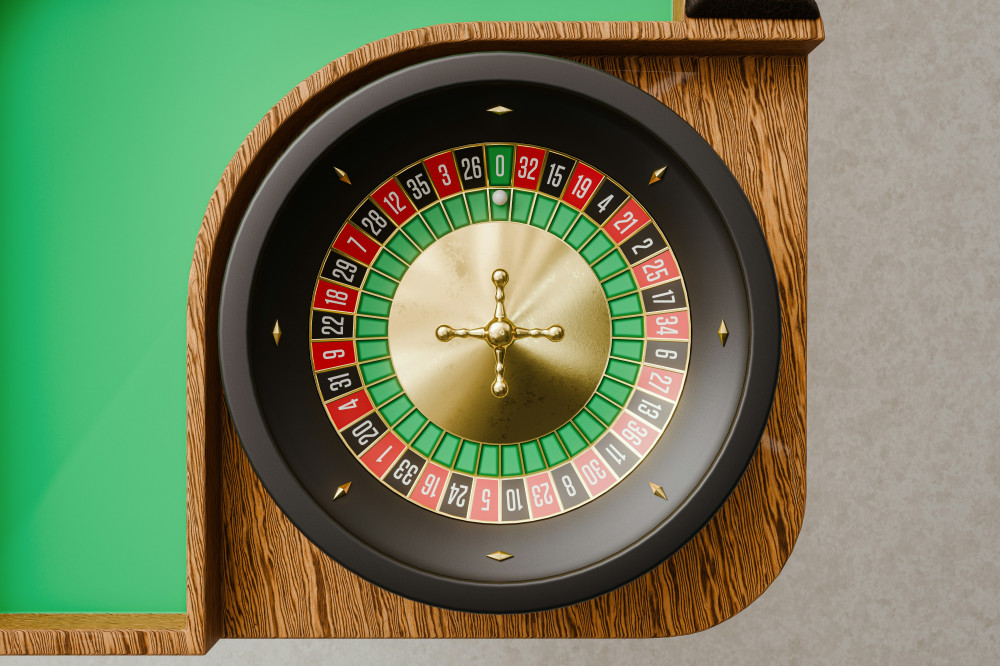
In European roulette, the wheel has 37 pockets: numbers 1 through 36 plus a single zero. In American roulette, there are 38 pockets: 1 through 36, zero (0), and double zero (00). That extra green pocket may seem minor, but it nearly doubles the house’s advantage.
The Mathematics Behind the Green Pocket
In European roulette, the house edge is about 2.7%. In American roulette, it jumps to 5.26% because of the additional double zero. In practical terms, for every $100 wagered, the casino expects to keep around $2.70 in the European version and more than $5 in the American one.
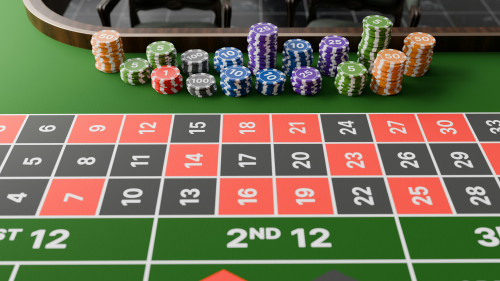
For players, this means that even the simplest bets—like red or black, odd or even—aren’t truly 50/50. The zero (and double zero) break that symmetry. When the ball lands on green, all even-money bets lose, and the house quietly collects its due.
European, French, and American Roulette – Small Differences, Big Effects
While the zero pocket is universal, how it’s treated varies by version:
- European roulette has one zero and offers the best odds for players.
- French roulette, similar to the European version, includes special rules like La Partage and En Prison, which allow players to recover part of their bet if the ball lands on zero. These rules can reduce the house edge to around 1.35% on certain bets.
- American roulette adds the double zero, increasing the house edge and making it the least favorable version for players—though it remains the standard in most U.S. casinos.
These small design differences show how a single pocket can shift the entire balance of the game. It’s why seasoned players often seek out European or French tables when they can find them.
Læs også:
Strategy and the Role of Zero
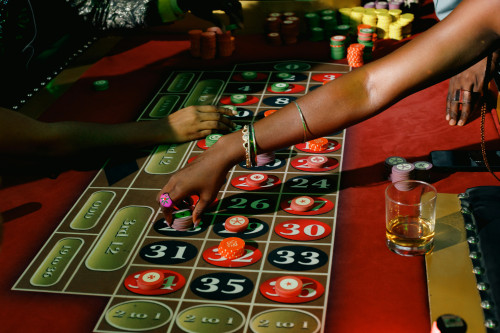
Many popular betting systems—like the Martingale, Fibonacci, or Labouchere—are built on the assumption that red and black outcomes are nearly even. But the zero pocket ensures that no system can completely overcome the house edge. It’s the built-in safeguard that keeps roulette from becoming a break-even game.
Some players try to “cover” the zero by placing small side bets on it, hoping to offset losses when it hits. While that can add excitement, it doesn’t change the underlying math. The zero remains the casino’s safety net, the quiet mechanism that guarantees the house always has a slight advantage.
The Symbolism of Zero
Beyond its mathematical role, the zero pocket carries a symbolic weight. It represents unpredictability—the reminder that no matter how carefully you plan or how long you watch the wheel, chance always has the final say. The ball can land on green at any moment, upending expectations and reminding players that roulette is, at its core, a game of luck.
That tension between control and chaos is what makes roulette so captivating. The zero pocket isn’t just a technical feature—it’s the heart of the game’s design and its enduring allure.
A Small Green Pocket with a Big Impact
Next time you watch the wheel spin, take a moment to notice that little green pocket. It’s easy to overlook, but it’s the reason roulette works as a game. Without zero, the odds would be perfectly balanced, and the casino would have no incentive to offer it. With zero, the game becomes sustainable, exciting, and just unpredictable enough to keep players coming back.
For the player, zero is both a challenge and a charm—a reminder that in roulette, as in life, even the smallest details can make all the difference.
Læs også: