The House Edge in Practice – How It Plays Out Over Many Rounds

The House Edge in Practice – How It Plays Out Over Many Rounds
When you play roulette, blackjack, or any other casino game, you often hear about “the house edge” – that small statistical advantage that ensures the casino wins more than it loses over time. But what does that edge actually look like in practice? And how does it reveal itself when you play round after round? Let’s take a closer look at how the house edge unfolds over time, and why it can feel both invisible and inevitable.
What Does the House Edge Mean?
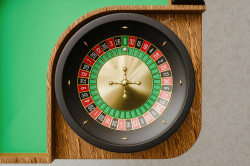
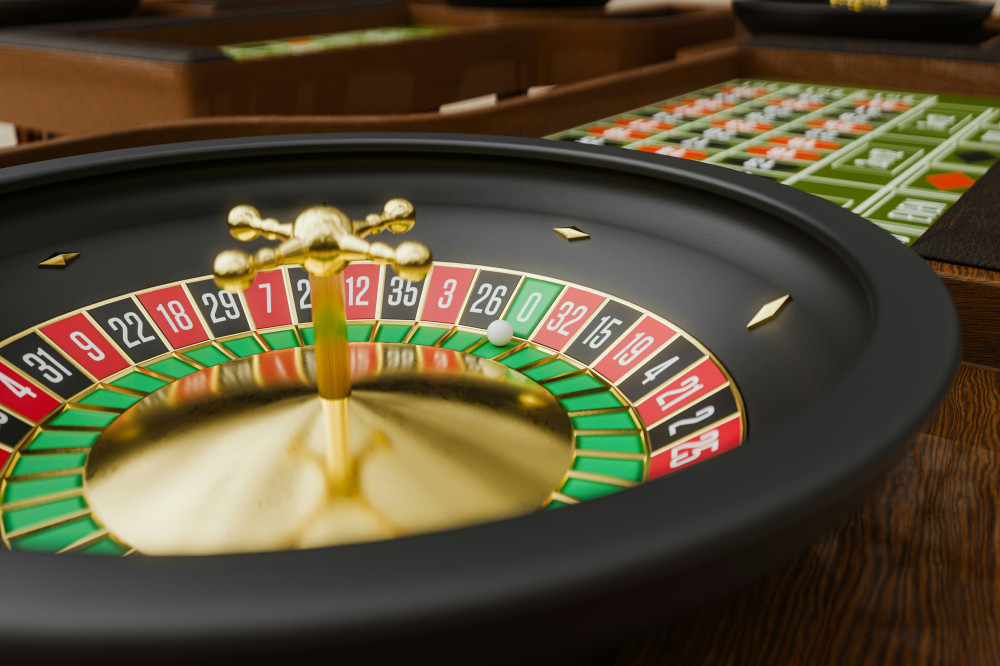
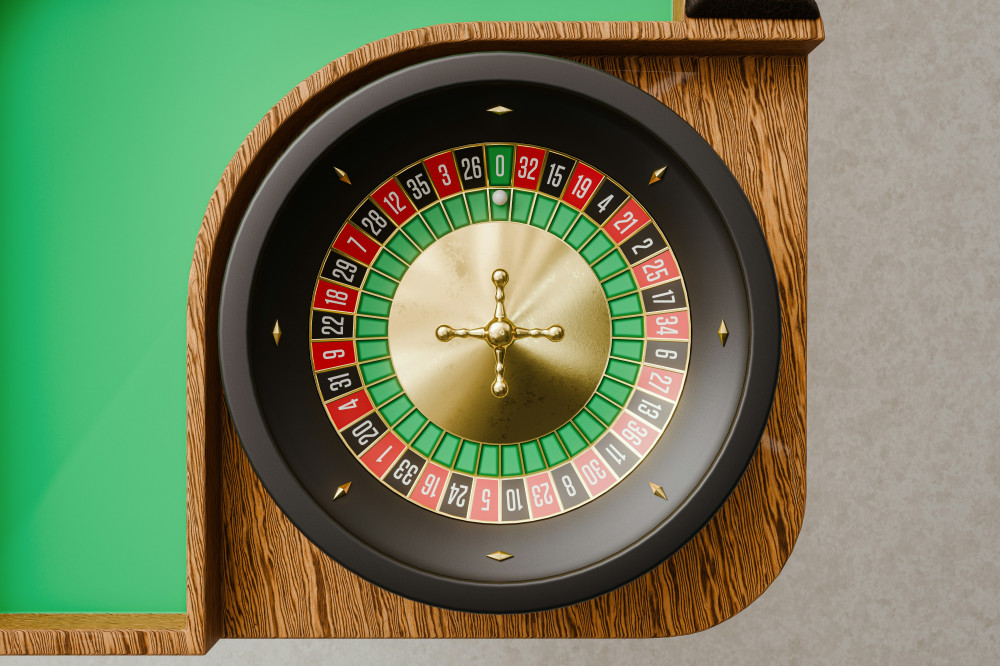
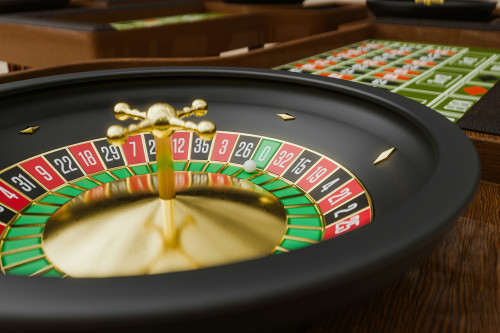
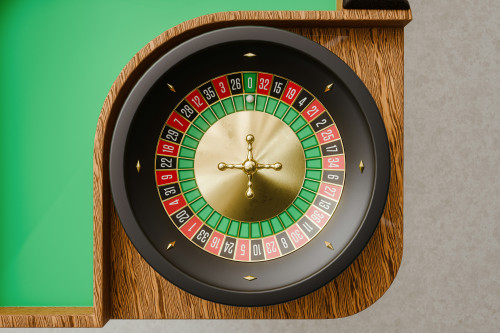
The house edge is a mathematical expression of how much of all wagers a casino expects to keep on average. In American roulette, for example, the house edge is about 5.26% because the wheel has both a single zero and a double zero. That means that for every $100 wagered, the casino expects to earn about $5.26 in the long run.
In the short term, players can win or lose big, but over thousands of spins, the results will inevitably align with that theoretical edge. This is precisely why casinos can operate 24/7 without worrying about going broke.
The First Few Rounds – Luck Takes the Lead
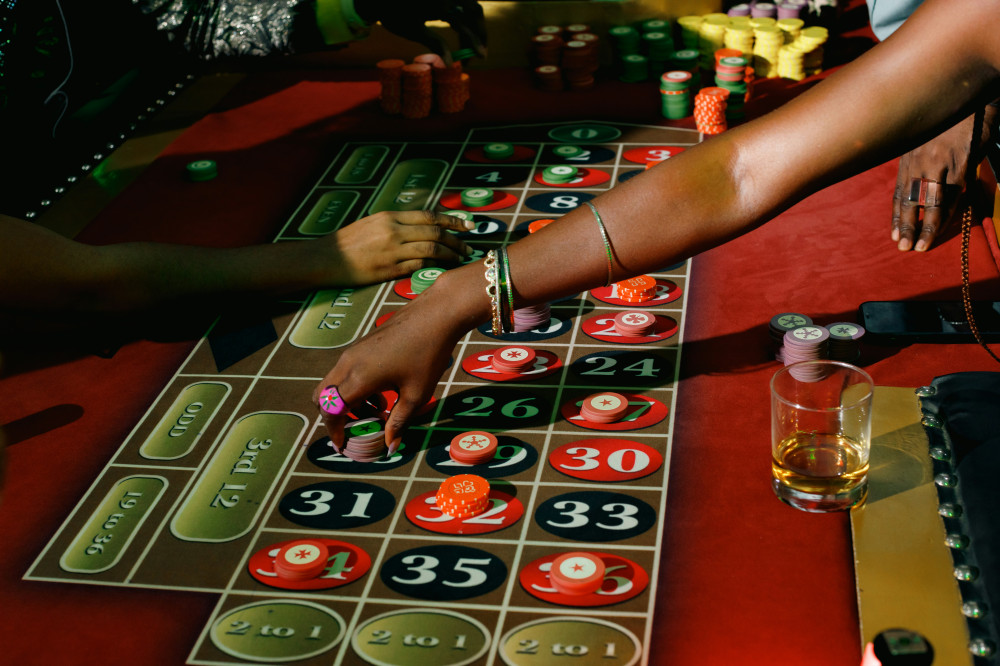
When you sit down at a roulette table for the first time, the house edge doesn’t feel like something you can sense. Maybe you hit your number and win 35 times your bet, or maybe you lose a few spins in a row. Early on, it’s pure chance that dominates the experience.
That unpredictability is what makes the game exciting. Each spin is independent of the last, and no one can predict the outcome. It’s entirely possible to walk away ahead after a short session – even though the odds are quietly tilted against you.
Over Many Rounds – The Math Takes Over
The longer you play, the more clearly the house edge shows itself. Suppose you play 1,000 spins of roulette with an average bet of $10. You’ve wagered a total of $10,000. With a 5.26% house edge, the expected loss is about $526.
That doesn’t mean you’ll lose exactly that amount – but the probability of ending up in the red increases the more you play. This is the same mechanism that ensures casinos always win in the long run, while players only win in moments.
Læs også:
Why the House Edge Feels “Invisible”
One reason many players underestimate the house edge is that it doesn’t show up as a steady deduction. You don’t lose 5.26% of your bet on every spin – you either lose your entire wager or win a multiple of it. This creates the illusion that you might “beat the system,” even though the probabilities are always working in the house’s favor.
On top of that, the natural swings in results – the ups and downs of luck – can be dramatic. One player might get lucky for 100 spins and walk away with a profit, while another loses quickly. But if both played 100,000 spins, those differences would even out, and the house edge would become unmistakable.
Strategies and Myths – Can You Beat the Edge?
There are countless betting systems designed to “neutralize” the house edge – like the Martingale system, where you double your bet after every loss. But no strategy can change the underlying probabilities. The roulette wheel has no memory, and each spin is independent.
That doesn’t mean you can’t play smart. Choosing games with a lower house edge – such as blackjack with favorable rules or European roulette instead of American – can stretch your bankroll and extend your playtime. Setting limits on time and money also helps you enjoy the experience without chasing losses. But no system can reverse the edge itself.
The Psychological Side of the House Edge
For many players, the house edge feels abstract – a theoretical concept that doesn’t affect a single night’s play. But over time, it becomes part of the experience. You learn that luck evens out, and that casino games are designed for entertainment, not profit.
Understanding the house edge isn’t just about math; it’s about expectations. When you play knowing that the casino always has a small advantage, you can enjoy the game for what it is – a thrilling mix of chance and probability.
Play with Awareness – and Enjoy the Game
The house edge isn’t the enemy; it’s part of what makes casino games work. It ensures that casinos can operate, and that players can return to a game that’s always fair in its own way. By knowing how the edge works and how it manifests over time, you can play with greater understanding – and maybe even greater peace of mind.
In the end, it’s not about beating the house. It’s about enjoying the game while you play.
Læs også: