The Role of Luck in Casino Games – and How a Guide Can Help You Understand It

The Role of Luck in Casino Games – and How a Guide Can Help You Understand It
When you step into a casino—whether it’s a glittering resort in Las Vegas or an online platform on your phone—it’s easy to get swept up in the excitement, the sounds, and the hope of hitting a big win. But behind the flashing lights and spinning reels lies a fundamental question: how much of casino gaming is really about luck, and how much can you influence yourself? Understanding that balance requires some insight into probability, game design, and human psychology. A good guide can help you see the patterns behind the randomness—and maybe play with greater awareness.
Luck vs. Strategy – Two Sides of the Same Coin
Most casino games are built on chance. When you draw a card, roll dice, or spin a slot machine, the outcome is unpredictable by design. That unpredictability is what makes the experience thrilling. Still, not all games rely on luck to the same degree.
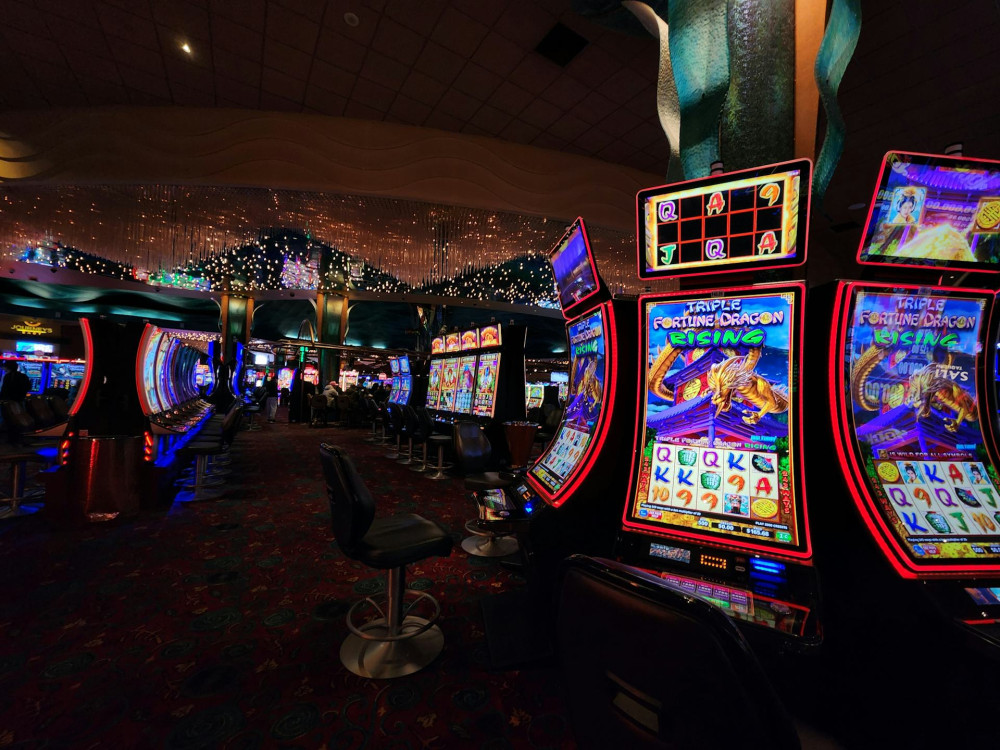
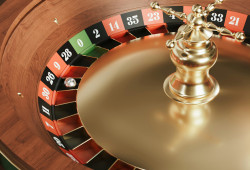
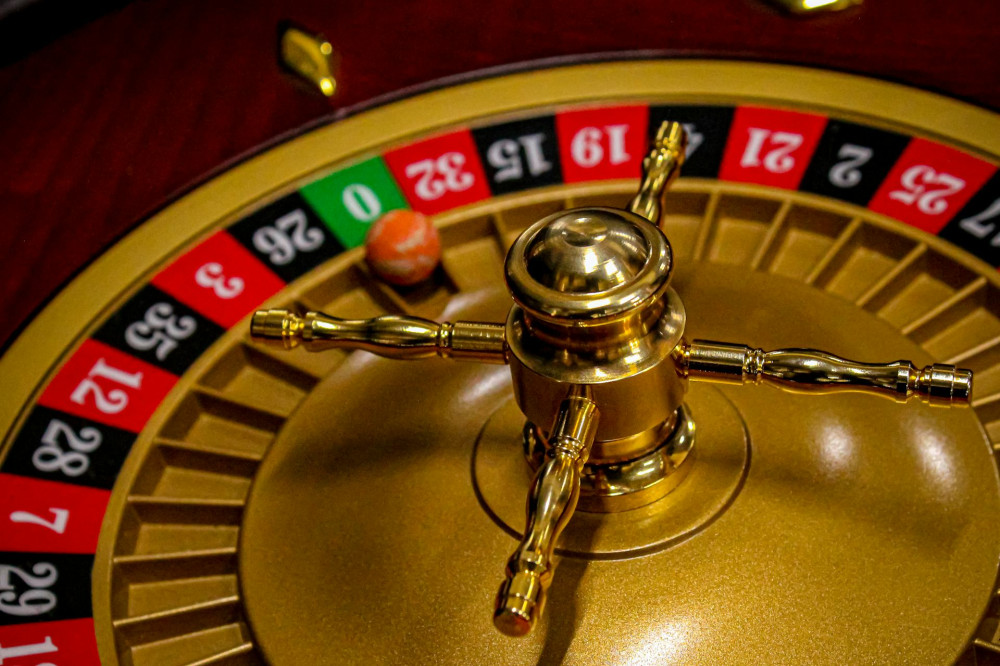
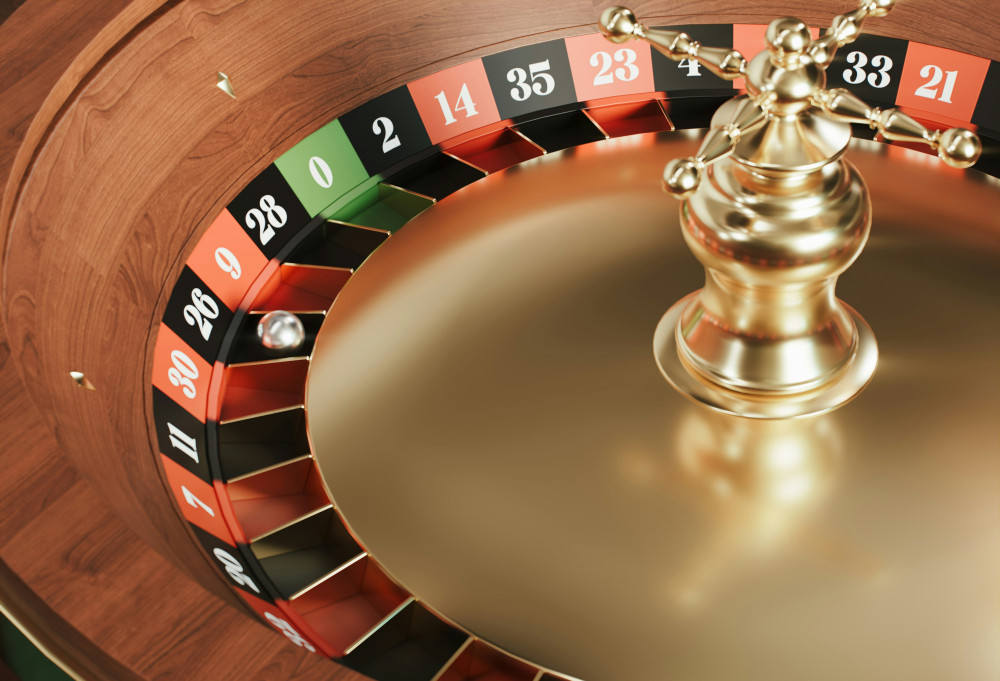
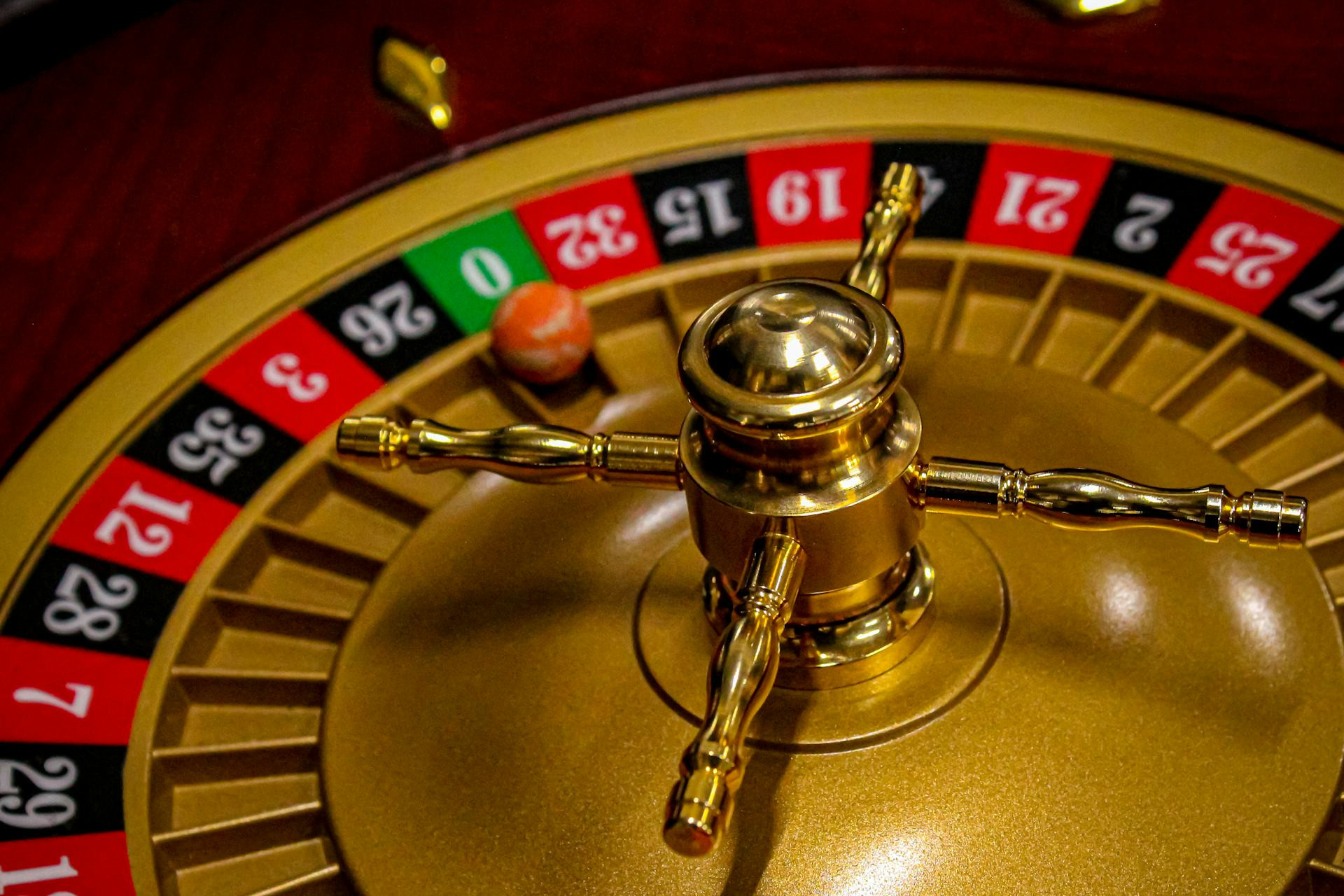
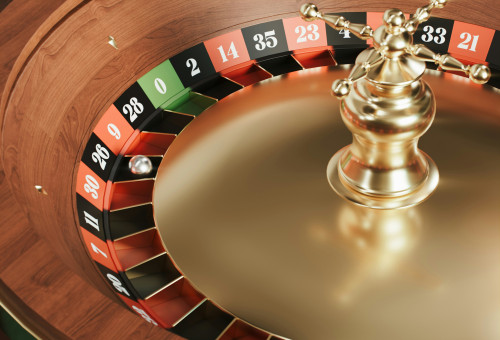
- Slot machines and roulette are almost entirely based on chance. No matter how much you study previous outcomes, you can’t influence the result.
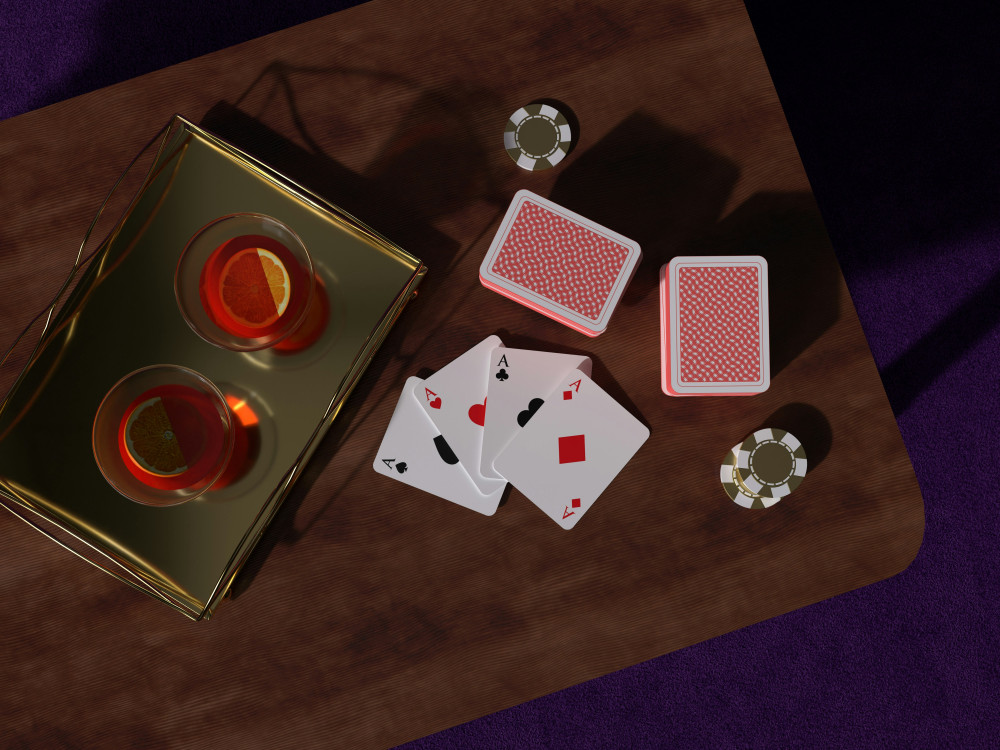
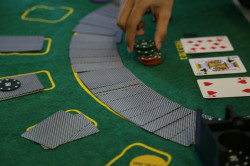
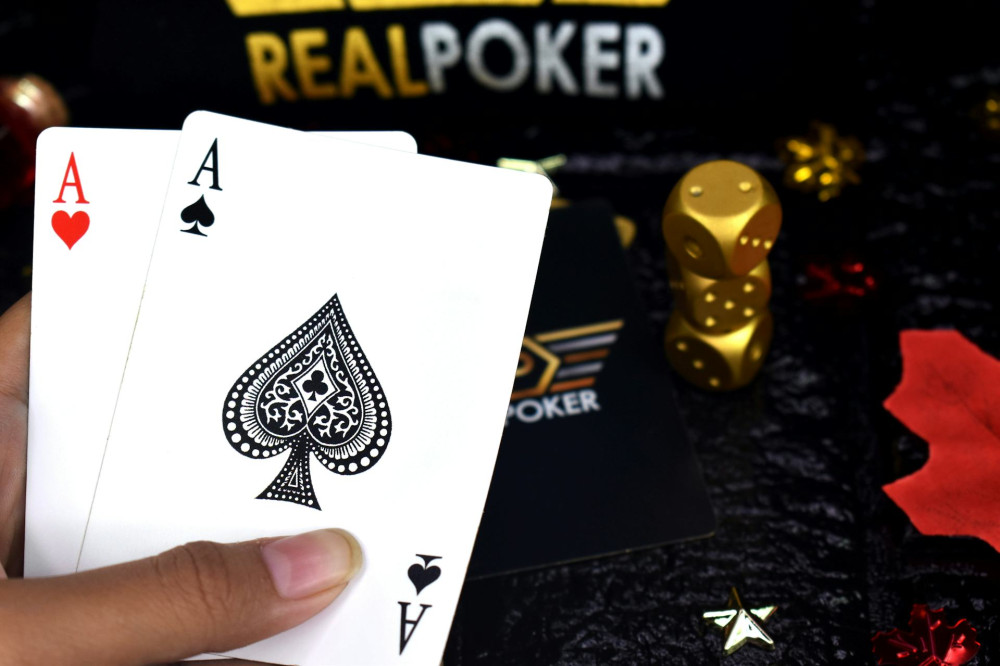
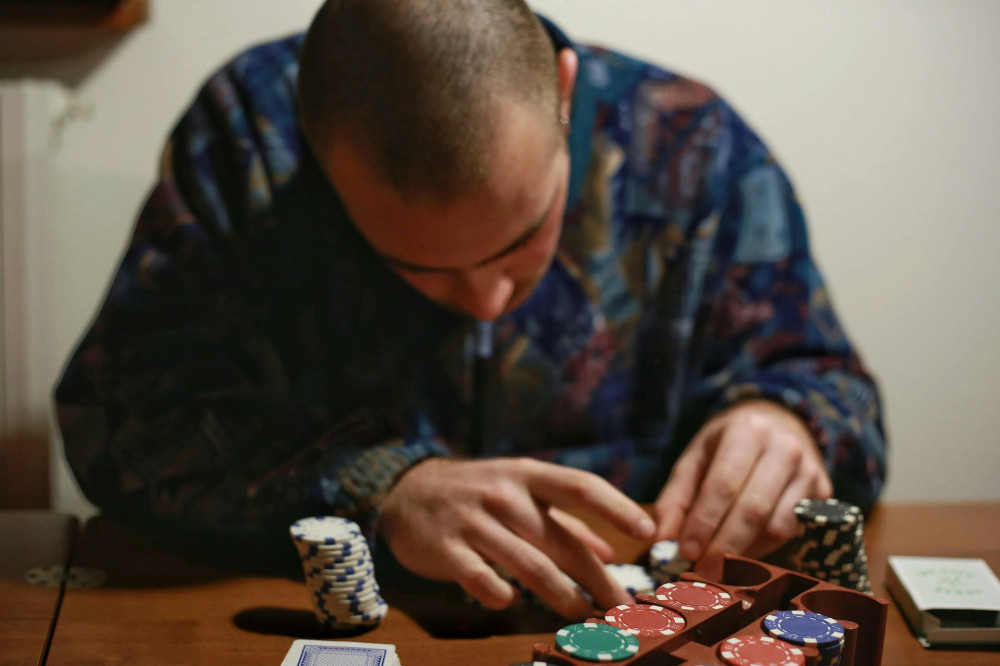
- Poker and blackjack combine luck with skill. You can’t control which cards you’re dealt, but you can make strategic decisions that improve your odds over time.
- Sports betting mixes knowledge and luck—you can analyze teams, stats, and trends, but unexpected events can still change everything.
Recognizing which games allow for strategic influence and which are purely random is the first step toward understanding the role of luck.
Probability – The Hidden Force Behind Every Game
Every casino game is built on mathematics. Each one has a built-in advantage for the house, known as the house edge. This ensures that, statistically, the casino will always come out ahead in the long run, even though individual players may win in the short term.
For example, American roulette has a house edge of about 5.26%. That might not sound like much, but over thousands of spins, it adds up. A guide that explains these probabilities can help you understand why some games feel “easier” to win than others—and why consistent profits are rare.
The Psychology of Luck
Humans are wired to look for patterns, even in random events. This tendency, known as illusory control, is the belief that we can influence outcomes that are actually determined by chance. That’s why many players develop rituals, lucky numbers, or specific betting habits, even in games where these have no real effect.
A good guide can help you recognize these psychological traps. When you understand how your brain reacts to wins and losses, it becomes easier to stay calm, make rational decisions, and avoid letting emotions take over your play.
Læs også:
Why a Guide Makes a Difference
Responsible gaming isn’t just about setting limits on time and money—it’s also about understanding what you’re engaging in. A well-written guide can:
- Explain how probabilities and the house edge work.
- Clarify which games involve strategy and which rely purely on luck.
- Offer insights into how to enjoy the experience without losing control.
- Help you recognize when gaming stops being entertainment and becomes a risk.
Knowledge empowers you to play with awareness—and to enjoy the experience, win or lose.
Luck as Part of the Experience
Luck can’t be controlled, but it’s a vital part of what makes casino games so captivating. The unpredictability creates excitement, and the feeling that “anything can happen” keeps players coming back. But that’s exactly why it’s important to remember that luck isn’t a strategy—it’s an experience.
Understanding the role of luck doesn’t take the magic out of casino games; it puts it in perspective. When you know how the games work, you can appreciate them for what they are: entertainment with a touch of chance.
Læs også: