Lottery Numbers Explained: Why They’re Crucial for the Drawing

Lottery Numbers Explained: Why They’re Crucial for the Drawing
When you buy a lottery ticket, it’s the number printed on it that ultimately decides whether you walk away a winner. But what exactly is a lottery number, how is it assigned, and why does it play such a vital role in the drawing process? Here’s a closer look at how lottery numbers work—and why they’re the foundation of a fair and transparent lottery.
What Is a Lottery Number?
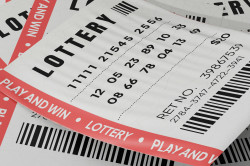
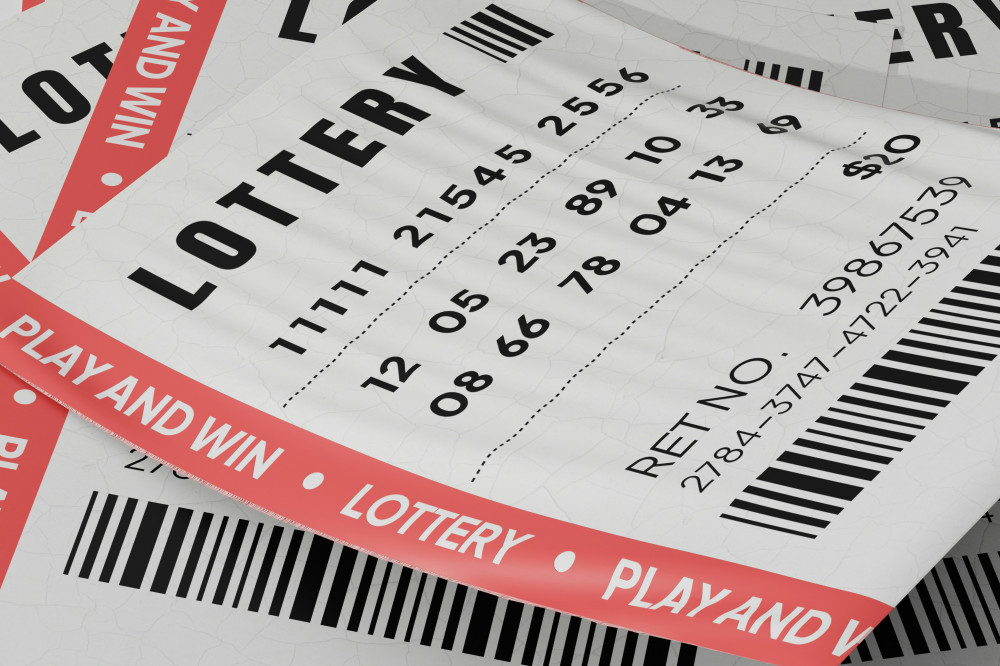
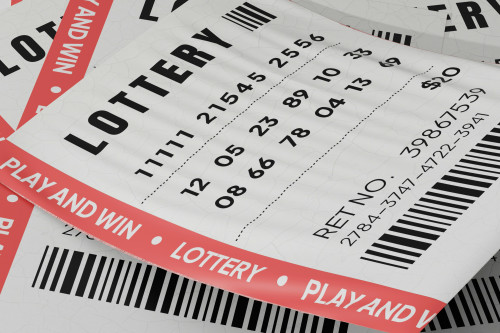
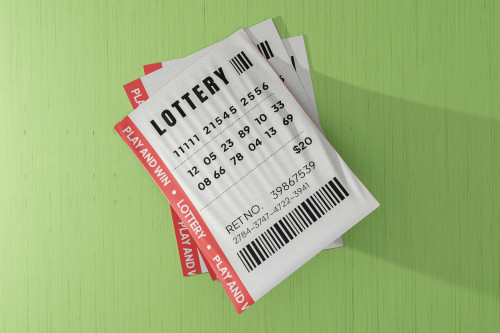
A lottery number is a unique identifier assigned to each ticket or participant in a lottery. Think of it as your personal “address” in the drawing—it’s the number the system or drawing machine uses to determine the winner.
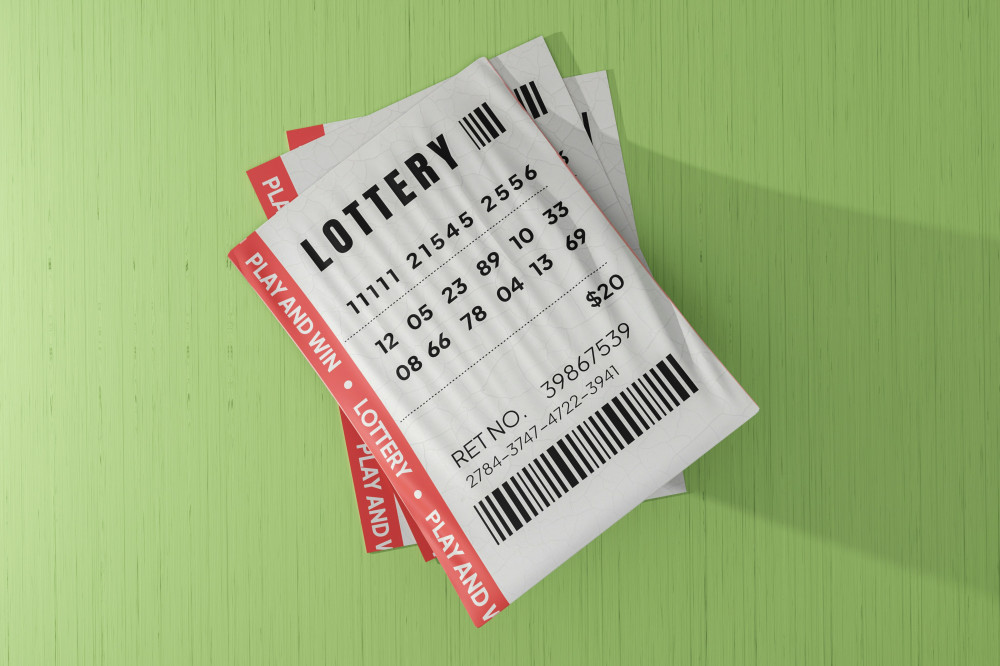
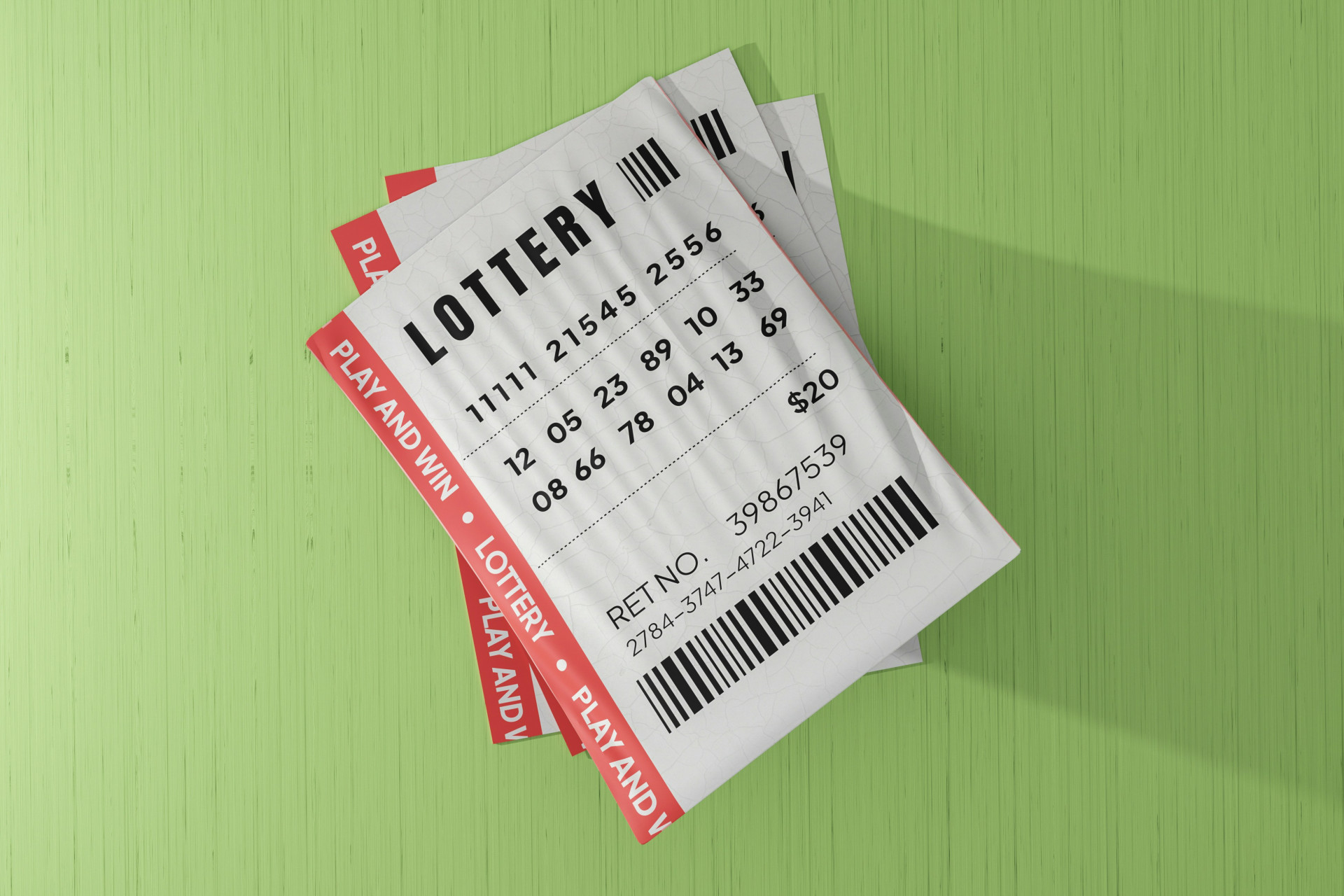
In traditional paper lotteries, the number is printed directly on the ticket. In modern digital lotteries, it’s stored electronically. Either way, the principle is the same: each number represents one entry in the pool.
Læs også:

How Lottery Numbers Are Assigned
Lottery numbers can be assigned in several ways, depending on the structure of the game:
- Sequential numbers – tickets are numbered in order, such as from 000001 to 999999.
- Random numbers – each ticket receives a randomly generated number that doesn’t follow a specific sequence.
- Player-chosen numbers – in some lotteries, players can select their own numbers, often based on personal significance or superstition.
No matter the method, the key is that each number is unique. This ensures that every participant has an equal chance of being drawn.
Why the Number Matters in the Drawing
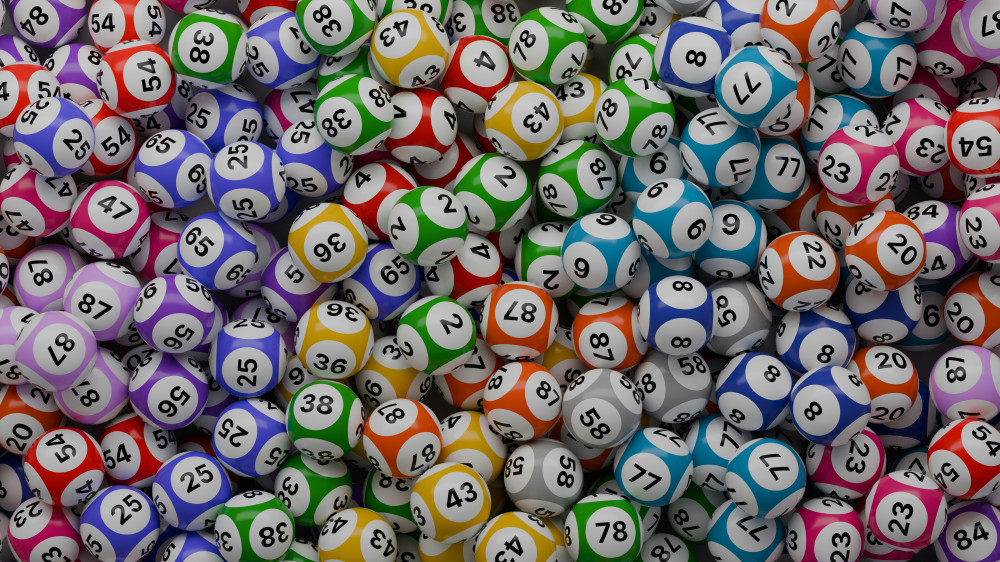
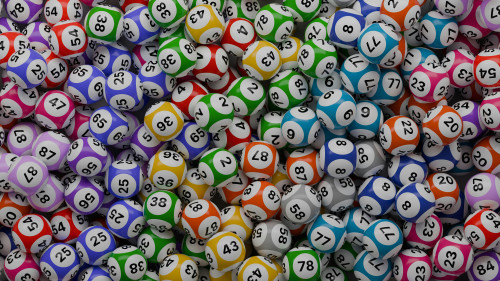
The drawing itself is essentially a process of selecting one or more numbers from the total pool. This can happen through a physical draw—like numbered balls in a drum—or through a digital random number generator.
The lottery number is what makes the drawing fair and verifiable. Without unique numbers, it would be impossible to ensure that each ticket counts only once and that the winner is chosen at random.
In other words, the number isn’t just a technical detail—it’s the backbone of the lottery’s integrity.
Lottery Numbers and Transparency
A lottery must not only be fair but also appear fair to participants. Lottery numbers play a key role in that perception. When every ticket has a clear, traceable number, both organizers and players can follow the drawing process with confidence.
In most U.S. lotteries, the winning numbers are published immediately after the draw, allowing everyone to verify the results. This openness builds trust and gives players the ability to confirm their own outcomes.
Digital Numbers and Modern Technology
As more lotteries move online, lottery numbers have become increasingly digital. They’re stored in secure databases and managed by certified randomization algorithms that ensure fairness and traceability.
Digital systems make it easier to handle millions of entries, but they also require strict data security and oversight. Reputable lottery operators in the U.S. use audited and certified systems to guarantee that every drawing is conducted properly.
A Small Number with Big Importance
A lottery number may look like a simple string of digits, but it carries the entire logic of the game. It represents your chance, your place in the lineup—and ultimately, your shot at winning.
Without lottery numbers, a drawing couldn’t function. They’re the guarantee that everything happens fairly, randomly, and transparently—exactly as a lottery should.
Læs også: