Colors, Graphics, and Animations – How Design Shapes the Gaming Experience

Colors, Graphics, and Animations – How Design Shapes the Gaming Experience
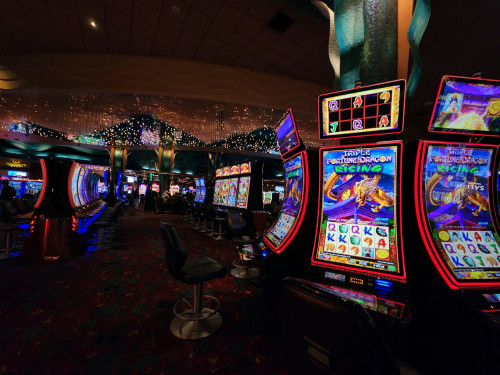
When we play, the experience isn’t just about rules, rewards, or strategy. The visual design — the colors, graphics, and animations — plays a crucial role in how we perceive and respond to a game. From classic slot machines in Las Vegas to modern online platforms and mobile games, design has become a defining part of a game’s identity and atmosphere. But how exactly does it shape our experience — and even our behavior?
The Psychology of Color – More Than Decoration
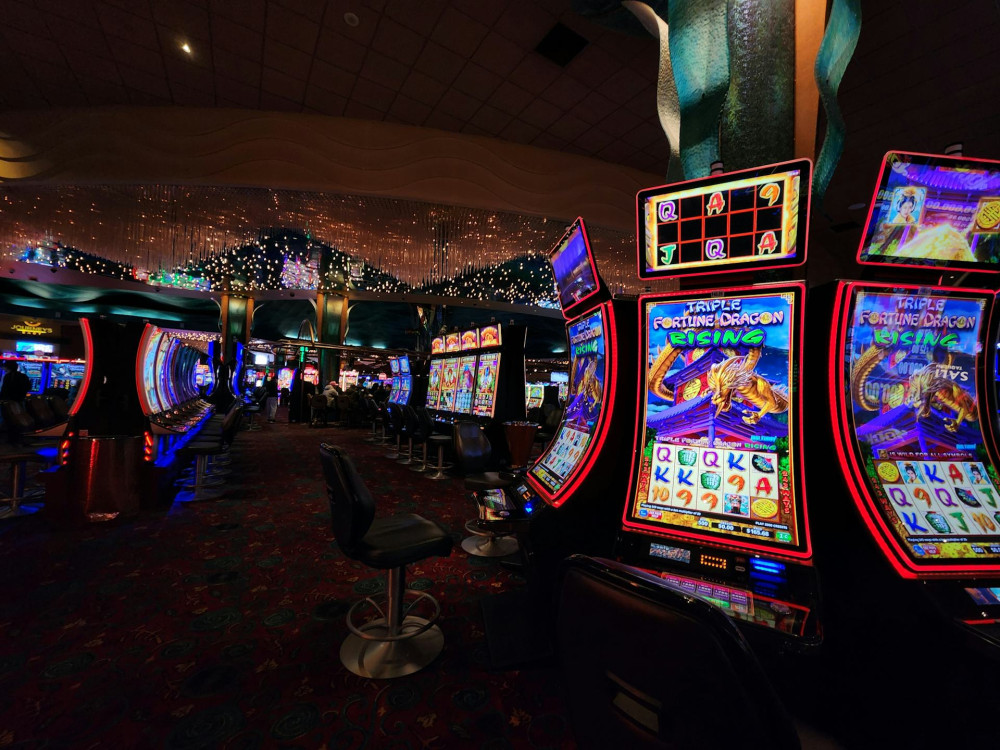
Colors evoke emotions. Red can create excitement and energy, while blue often conveys calmness and trust. In game design, colors are used deliberately to set the mood and highlight key elements. A slot game with gold and crimson tones suggests luxury and intensity, while one with green and blue hues feels more relaxed and trustworthy.
Colors also guide the player’s attention. When a button lights up or a win flashes in bright tones, it triggers an immediate reaction. The brain associates these colors with reward, reinforcing the desire to keep playing. That’s why color choice is never random — it’s part of the game’s psychological design.
The Role of Graphics – From Symbols to Atmosphere
Graphics are the face of a game. They define the world the player steps into and set the tone for the experience. Today’s graphics range from minimalist icons to richly detailed 3D environments, where every texture and shadow is carefully crafted.
Realistic graphics can create a sense of presence — as if you’re truly inside a casino or an adventure world. Stylized or retro visuals, on the other hand, can evoke nostalgia or playfulness. The goal is to build a visual identity that fits the game’s theme and audience.
Graphics also influence credibility. A well-designed interface with clean lines and balanced colors signals professionalism and quality. It helps players feel comfortable and confident — an important factor, especially in online gaming where trust is key.
Animations – Bringing Games to Life
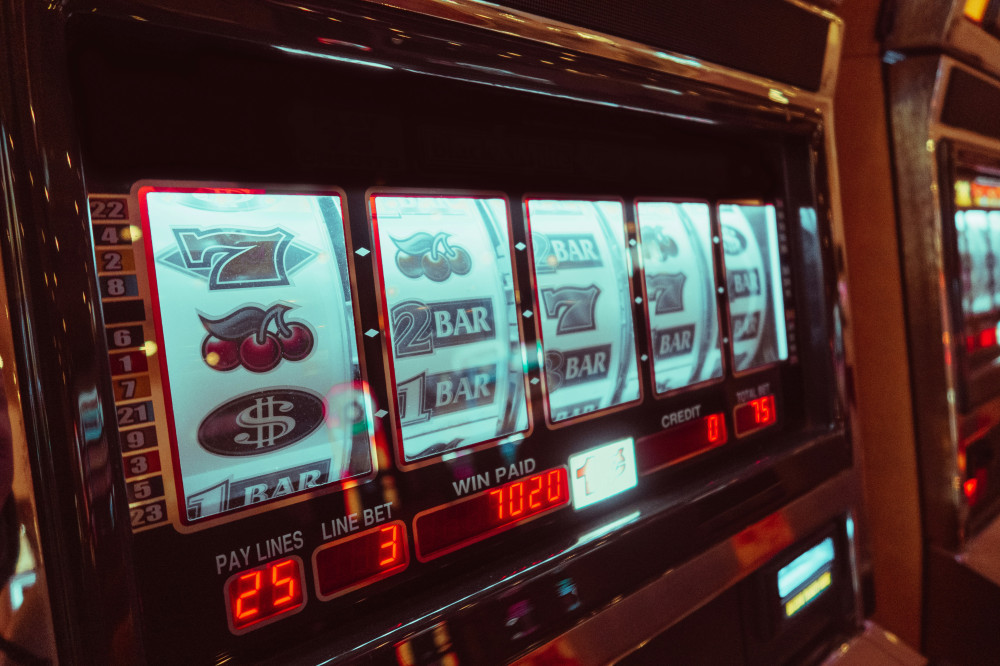
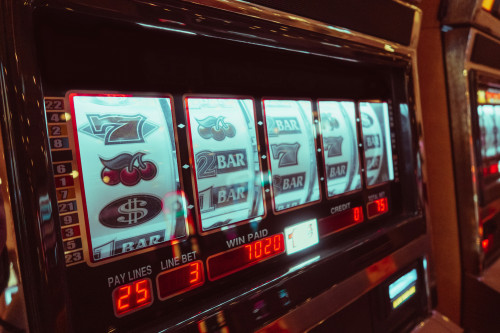
Animations give games their heartbeat. The spinning of reels, the shimmer of coins, or the smooth transitions between screens all add movement and energy. These subtle details make the experience more immersive and rewarding. When a jackpot triggers a burst of motion and sound, it activates the senses and the brain’s reward system.
But animations aren’t just for show. They communicate information. A slow fade can indicate progress, while a quick flash can signal something urgent. Good animations make gameplay intuitive and fluid — poor ones can feel distracting or exhausting.
The Interaction Between Design and Experience
The most effective game design happens when colors, graphics, and animations work together. A cohesive design creates flow — that state where players lose track of time because everything feels natural and engaging. It’s a delicate balance: too many effects can overwhelm, while too little visual stimulation can make a game feel flat.
Design also shapes memory. Many players can recognize their favorite games just by a color palette or a signature animation. That shows how deeply visual design can connect us to an experience.
Læs også:

Ethical Design – When Aesthetics Meet Responsibility
While visual design can make games more exciting, it also raises ethical questions. When colors and animations are used to amplify the feeling of reward, they can influence player behavior in subtle ways. That’s why many developers today focus on responsible design — where aesthetics and ethics go hand in hand.
Ethical design means creating engaging experiences without exploiting psychological triggers. It might involve limiting flashing effects that mimic wins or providing clear feedback about time and spending. The goal is to make games enjoyable and fair, not manipulative.
Design as Part of a Game’s DNA
Colors, graphics, and animations aren’t just surface details — they’re part of a game’s DNA. They shape how we feel, how we play, and how we remember the experience. Thoughtful design can be the difference between a game that’s quickly forgotten and one that players return to again and again.
When used with care, design can create gaming experiences that are beautiful, immersive, and responsible — proving that in the modern gaming world, aesthetics and experience truly go hand in hand.
Læs også: