All-In Situations Explained: How the Rules Affect the Course of the Game

All-In Situations Explained: How the Rules Affect the Course of the Game
When a poker player goes all-in, it means they’re betting every last chip they have left. It’s one of the most dramatic moments in the game — a single decision that can shift the entire table’s energy. But what actually happens, from a rules standpoint, when someone goes all-in? And how do the mechanics of side pots, betting limits, and showdowns shape the outcome? Let’s break it down.
What Does It Mean to Go All-In?
Going all-in is a declaration that you’re putting all your remaining chips into the pot. Players do this for different reasons: maybe they have a strong hand and want to maximize their winnings, maybe they’re bluffing, or maybe they simply don’t have enough chips to call a larger bet.
Once a player is all-in, they can’t make or call any further bets during that hand. If other players continue betting, one or more side pots are created — separate pots that only players with remaining chips can compete for.
Side Pots – When Multiple Pots Are in Play
Side pots can seem confusing at first, but they’re essential to keeping the game fair. No player can lose more than they’ve bet. Here’s an example:
Imagine three players are in a hand:
- Player A goes all-in with 500 chips.
- Player B has 1,000 chips and calls.
- Player C has 2,000 chips and raises to 1,500.
This creates two pots:
- Main pot – 500 chips from each player (1,500 total). All three players can win this.
- Side pot – the extra 500 from B and 1,000 from C (1,500 total). Only B and C can win this.
When the cards are revealed, the side pot is resolved first between the players still betting, and then the main pot is awarded, which includes the all-in player.
Strategic Considerations Behind an All-In
An all-in move isn’t just about luck — it’s a strategic weapon. Players use it to:
- Apply pressure – especially in tournaments, where losing your chips means elimination.
- Protect a strong hand – by preventing opponents from seeing more cards cheaply.
- Bluff – when they believe opponents will fold under heavy pressure.
Of course, the risk is obvious: if you lose, you’re out of the tournament or lose a big chunk of your stack in a cash game. Timing and reading your opponents are everything.
Showdown Rules and Card Reveals
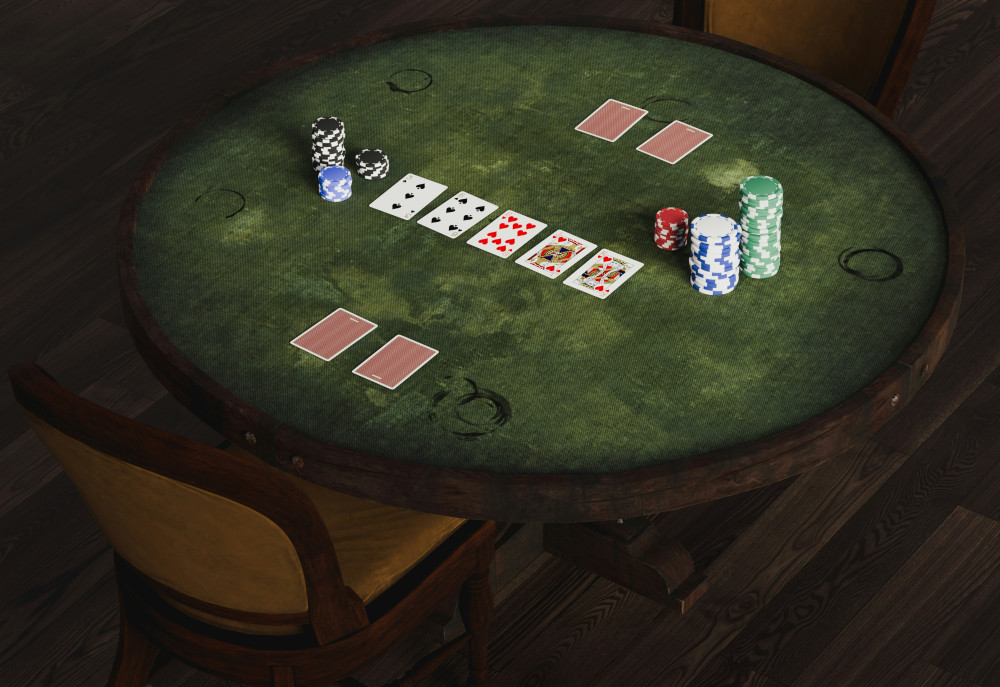
When a player is all-in and no further betting is possible, all remaining players must reveal their cards. This is called a showdown. The dealer compares the hands, and the pot (or pots) are distributed according to standard hand rankings.
In tournaments, dealers typically turn the cards face up automatically to ensure transparency. In cash games, players can choose whether to show or muck their cards if everyone else has folded — but in an all-in situation with multiple players, all hands must be shown.
All-In in Tournaments vs. Cash Games
All-in situations play out differently depending on the format:
- In tournaments, losing an all-in means elimination. That makes every decision more intense, especially as blinds increase and chip stacks shrink.
- In cash games, players can simply buy back in after losing. Here, all-ins are often about maximizing value or exploiting a strong hand rather than survival.
In both cases, understanding how pots are built and distributed is key to fair and strategic play.
The Psychology of Going All-In
All-ins aren’t just about math — they’re about emotion. When a player pushes all their chips forward, they’re sending a message: “I’m willing to risk it all.” That can make opponents hesitate, fold, or make mistakes.
Experienced players use this psychological pressure to their advantage. A well-timed all-in can change the table’s dynamics, create fear or respect, and shift momentum in their favor.
Læs også:

Conclusion: The Heartbeat of Poker
The all-in moment is poker’s ultimate thrill — the point where everything is on the line. But behind the drama lies a clear set of rules that keep the game fair and structured, no matter how high the stakes.
Understanding those rules — and the strategy and psychology behind them — is essential for any serious player. Because in poker, it’s not just about having the best cards. It’s about knowing when to risk it all.
Læs også: